
Core Puzzle Loop
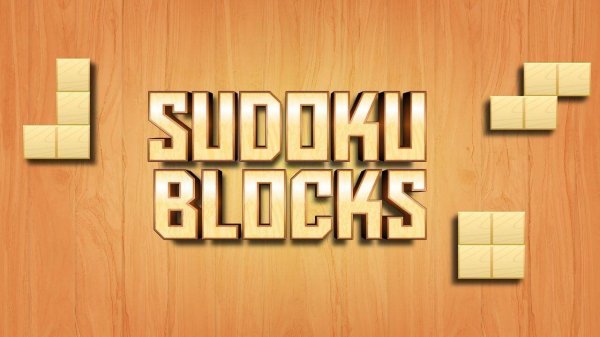
Players receive a set of tiles, each marked with a digit and shaped to fill several cells. The goal is to place these tiles on a nine-by-nine grid. When a horizontal row, vertical column, or three-by-three sub-square becomes completely filled, it vanishes from the board. This frees space for additional tiles and adds to the player's score. The cycle of placing, clearing, and planning continues until no more tiles can be placed.
Number and Shape Integration
Unlike pure block puzzles that ignore digits, this game asks players to consider both the physical outline of each tile and the numeral printed on it. The numbers do not need to match any specific pattern, but they add an extra layer of decision-making. Players must decide which tile fits the available space and whether its digit complements the overall board layout. This dual focus keeps the mind engaged without becoming overwhelming.
Relaxed Pace and Accessibility
No timers or countdowns pressure the player. Each move can be considered as long as needed, making the experience suitable for casual play during short breaks or longer sessions. The interface uses clean visuals and straightforward drag-and-drop controls. Beginners can learn the basic rules in under a minute, while experienced puzzle fans will find depth in optimizing tile placement to achieve high scores.
Daily Refresh and Long-Term Appeal
Some versions of this game include daily puzzles that present a new starting board each day. These limited-time challenges encourage regular return visits and provide a structured way to track improvement. Over time, players naturally develop better spatial awareness and logical thinking skills. The combination of predictable mechanics and fresh daily content prevents boredom while maintaining a consistent, family-friendly atmosphere.
Visual and Audio Atmosphere
The design emphasizes clarity and calm. Tiles use soft colors and clear numerals, and the grid remains uncluttered. Subtle sound effects confirm successful placements and clears without being distracting. Background music, if present, tends toward gentle melodies that support concentration rather than compete for attention. This sensory approach helps players stay focused on the puzzle itself.






Comments
0 comments