
Core Puzzle Mechanics
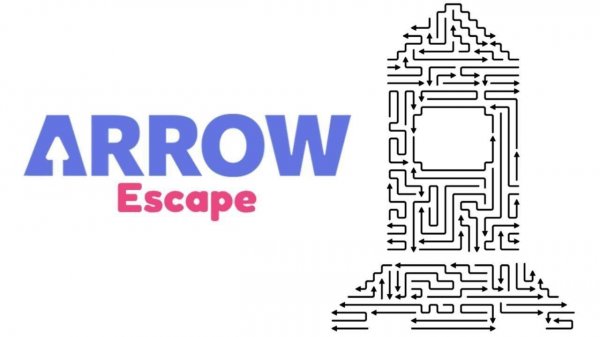
At its heart, Directional Puzzle Challenge is about understanding spatial relationships and sequences. Each level presents a grid filled with arrows pointing in various directions. The player's objective is to interact with these arrows—by tapping to change their orientation, sliding them to new positions, or aligning them in a specific order—to open a route to the exit. The puzzles are self-contained, meaning there is no story or characters to manage, just pure logic. This focus on a single mechanic allows the game to gradually introduce complexity without overwhelming the player. Early levels might require only a few moves, while later stages demand careful planning and multiple steps. The satisfaction comes from that moment of clarity when the correct sequence becomes apparent.
Level Progression and Difficulty
The game includes a structured series of levels that increase in difficulty as the player advances. Early puzzles serve as a tutorial, teaching the basic interactions with arrows. As players progress, new elements appear, such as larger grids, arrows that affect multiple tiles, or constraints like limited moves. The difficulty curve is designed to be smooth, ensuring that each new challenge builds on skills learned in previous levels. There is no punishment for failure; players can retry a puzzle as many times as they like. This makes the game accessible to newcomers while still offering enough depth to engage experienced puzzle solvers. The progression system rewards persistence and logical thinking rather than speed or reflexes.
Visual Style and User Interface
The visual design is clean and uncluttered, with bright colors and simple shapes that make the arrows easy to distinguish. The grid is displayed clearly on the screen, and each arrow is large enough to tap accurately on both phones and tablets. The interface is minimal, with only essential buttons for restarting a level or returning to the menu. There are no distracting animations or advertisements that interrupt gameplay. This focus on clarity helps players concentrate on the puzzle itself. The color palette is soft and pleasing, reducing eye strain during longer play sessions. Overall, the aesthetic supports the game's goal of providing a calm, focused puzzle experience.
Strategic Thinking and Problem Solving
Success in Directional Puzzle Challenge depends on careful observation and methodical thinking. Before making any moves, players should study the entire grid to identify patterns or constraints. Some puzzles require working backwards from the exit to determine the necessary steps. Others might involve trial and error, where experimenting with different arrow arrangements reveals the solution. The game encourages a patient, analytical approach rather than random tapping. Over time, players develop better spatial reasoning and the ability to think several steps ahead. This mental workout is the core appeal of the game, making it a satisfying choice for anyone who enjoys logic puzzles or brain teasers.







Comments
0 comments