
The Core Reflection Mechanic
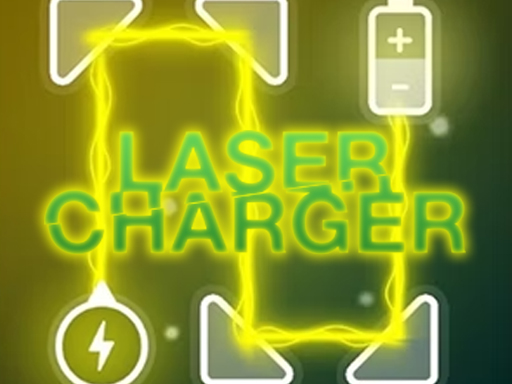
At its heart, Beam Reflect Puzzle asks you to redirect a laser beam by rotating mirrors placed around the level. A beam leaves an energy source and must reach a battery; if any mirror is misaligned, the beam stops short or veers off course. Each click or tap turns a mirror, and the beam updates immediately, so you can see the effect of every adjustment without waiting. The challenge is not speed but spatial foresight: you need to picture how a single rotation will change the beam's entire route.
Level Layouts and Obstacles
Later stages add more mirrors and batteries, and some layouts include obstacles that block the beam outright. These elements force you to sequence your rotations carefully, because a mirror that works for one segment of the path may need to be turned again after you adjust another. The game never penalizes experimentation, so you can freely test arrangements and learn from each attempt. That trial-and-error loop is central to the puzzle's appeal, turning a simple mechanic into a layered planning exercise.
Interface and Pace
The interface is deliberately clean and distraction-free, with a visual indicator showing the beam's current path. There is no timer, which means you can study each layout for as long as you like. This design supports a relaxed pace where patience and careful thought matter more than reflexes, making the game suitable for players who want a mental workout without pressure.
Progression and Audience
Difficulty rises gradually as mirror arrangements become more intricate and require more sophisticated strategies. Because the game is non-violent and family-friendly, it works well for a wide age range, from younger players learning to reason about angles to adults looking for a quiet logic challenge. The satisfaction of completing a circuit and watching the beam finally reach its target is the main reward.








Editorial Notes