
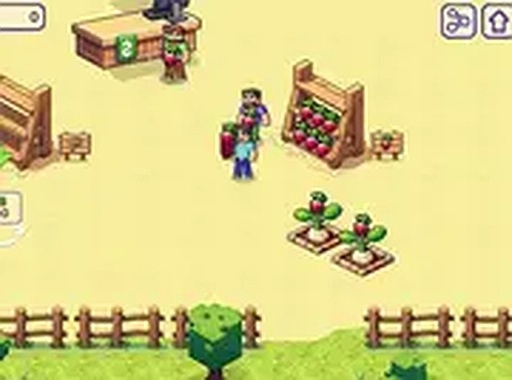
Store Operations & Growth
In Handiwork Haven Tycoon, you start with a modest shop and a selection of craft materials. Your main task is to keep shelves stocked with items that customers want to buy. As sales happen, your cash reserve grows, which you can use to hire assistants who automatically restock shelves or handle customer transactions. The game runs in the background, so your store continues to generate revenue even when you are not actively playing. This idle mechanic allows you to return to a pile of earnings, ready to reinvest in your business.
Strategic Expansion
Once you have built a steady income, you can unlock new store sections. For example, a dedicated painting area or a yarn corner becomes available, each drawing different types of shoppers and boosting overall revenue. Deciding when to expand is a key strategic choice—unlocking too early might strain your budget, while waiting too long could slow growth. Balancing immediate needs with long-term goals is central to success.
Upgrades & Efficiency
You can improve your store in several ways. Upgrading shelves increases how many items they hold, making restocking less frequent. Training your staff makes them faster and more reliable. You can also rearrange the store layout to improve customer flow and satisfaction. Each upgrade costs money but pays off through higher sales and smoother operations. Monitoring inventory levels and staff performance helps you avoid problems like empty shelves or slow service.
Visual Style & Atmosphere
The game features bright, cheerful visuals that create a welcoming environment for players of all ages. The colorful design makes the store feel lively and inviting. The interface is straightforward, with clear indicators for your cash, inventory, and staff status. A full-screen mode lets you focus entirely on managing your shop without distractions, enhancing the experience.
Seasonal Events & Challenges
As your store grows, you may encounter seasonal demand shifts or limited space issues. These events require you to adjust your strategy—for instance, stocking more of certain items during holiday seasons or reorganizing shelves to fit new products. Adapting to these challenges keeps the gameplay fresh and tests your planning skills. The game does not specify exact events, but players should expect periodic changes that affect customer behavior.
Comments
0 comments