

Character Design Studio
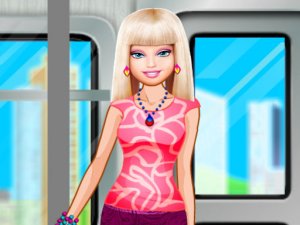
Before entering the school grounds, players spend time in the character design studio. Here, they can adjust facial expressions, choose hairstyles, and pick outfits from a broad selection of clothing and costume pieces. The goal is not to win but to express personal style. Each of the seven characters can look completely different, encouraging children to experiment with color combinations and themes. This process helps develop decision-making skills and a sense of identity through play.
Exploring the School Environment
The school itself is a vibrant, interactive space with several distinct areas. Students can walk through hallways, visit a locker room, spend time in a classroom, or relax on outdoor benches. Each location contains objects that respond to taps or clicks, such as juice cartons, notebooks, or art supplies. These items do not trigger puzzles or challenges. Instead, they let characters hold or use props, adding depth to the stories children invent. The environment is designed to feel safe and familiar, making it suitable for younger players.
Storytelling Through Free Play
The core of this experience is open-ended storytelling. Without any fixed objectives or time limits, children decide what happens next. One session might involve preparing for a school festival, while another focuses on making friends during lunch. The absence of failure or pressure allows kids to explore social scenarios at their own pace. Parents can join in by asking questions about the characters’ motivations, turning screen time into a shared creative activity. This approach supports language development and emotional understanding.
Controls Designed for Young Hands
Movement and interaction rely on simple drag-and-drop mechanics. On tablets and phones, children tap to select a character and then drag to move them across the screen. On computers, the mouse serves the same function. This intuitive control scheme means even preschoolers can navigate the school without frustration. The interface uses large, colorful buttons and clear icons. There are no complex menus or text-heavy instructions, which keeps the focus on imagination rather than learning controls.
Endless Variety in Every Session
Because there are no scripted events, each play session feels unique. Changing a character’s outfit or exploring a different room can lead to a completely new story. The game supports up to seven characters simultaneously, so children can create entire friend groups or families. This variety prevents boredom and encourages repeated play. The open structure also means the game grows with the child, as older kids may invent more elaborate narratives while younger ones enjoy simple interactions.









Comments
0 comments