
Core Puzzle Mechanics
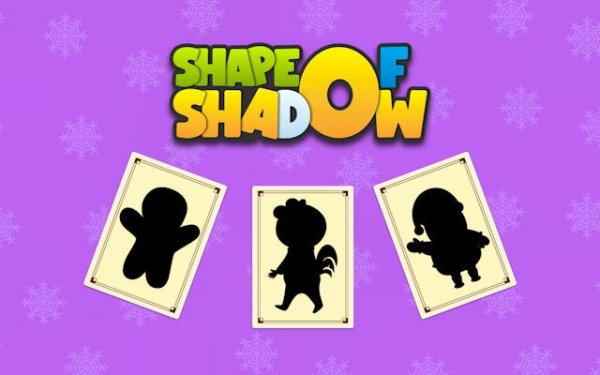
At the heart of this experience lies a unique interaction between light and darkness. Players control a small character traversing dimly lit environments. The primary tool is a movable light source that projects shadows from objects in the scene. These shadows are not mere visual effects; they become tangible platforms that the character can walk on, jump from, or use to reach higher areas. The challenge comes from positioning the light at the correct angle to create the needed shadow shape. This requires careful observation and spatial reasoning, as the same object can produce different shadow forms depending on the light's position.
Level Design and Progression
Each stage presents a new arrangement of obstacles and light sources. Early levels introduce basic concepts like casting a shadow to form a simple bridge. Later stages combine multiple light sources, moving objects, and complex geometry that demand precise timing and planning. The difficulty curve is gentle, allowing players to build skills gradually. Some levels include environmental hints, such as subtle markings on the ground or changes in background color, that suggest the correct approach. The game avoids punishing failure, letting players retry sections without frustration.
Visual Atmosphere and Sound
The art style emphasizes contrast between bright light and deep shadow. Characters and objects are rendered in a clean, cartoon-like aesthetic that remains clear even in darker scenes. Soft ambient sounds and occasional musical cues reinforce the mood without becoming distracting. The overall presentation is calm and focused, suitable for players who enjoy thoughtful puzzle solving rather than fast-paced action. The visual clarity ensures that shadow shapes are easy to distinguish, which is essential for gameplay.
Family and Multiplayer Considerations
While designed primarily for solo play, the game works well in group settings. Family members can discuss strategies, take turns controlling the character, or collaborate on particularly tricky puzzles. The controls are simple, requiring only basic movement and interaction commands, so younger players can participate with minimal guidance. There is no time pressure or competitive element, making it a relaxed experience for shared play. The content is entirely family-friendly, with no mature themes or disturbing imagery.
Tips for Mastering Puzzles
To progress efficiently, start each level by surveying the entire area. Identify all light sources and objects that might cast useful shadows. Experiment with moving the light to different positions and observe how the shadow changes shape. If a solution is not obvious, try approaching the puzzle from a different direction or consider using an object's shadow in an unexpected way. Patience is key; some puzzles require multiple attempts to find the correct sequence of actions. Discussing ideas with others can provide fresh perspectives.


Comments
0 comments