
Core Gameplay Loop
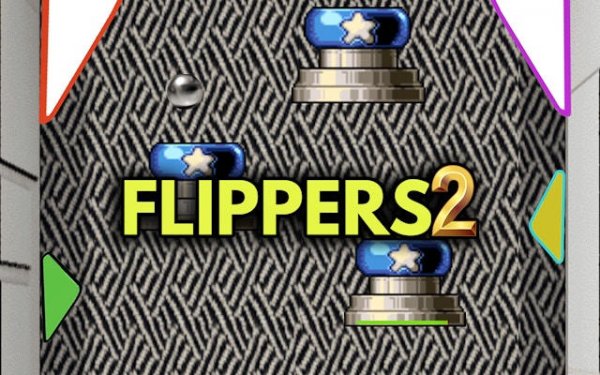
The central activity involves managing a single ball as it moves across a table. Players use two flippers, one on each side, to keep the ball from falling past them. The ball is launched into play by pulling back a plunger. Once active, the goal is to strike various targets and navigate ramps to earn points. Each table presents a different arrangement of bumpers, lanes, and scoring zones, so adapting to the layout is key. The physics engine simulates real pinball behavior, meaning the ball reacts to angles, speed, and surface contacts in a believable way.
Table Variety and Design
Multiple table designs are available, each with its own theme and scoring opportunities. Some tables may feature multiple tiers or hidden areas that require specific shots to access. The visual style leans toward retro aesthetics with bright colors and clear markings that help players identify high-value targets. Sound effects accompany each hit and score milestone, adding to the arcade atmosphere. The tables are designed to reward repeated play, as learning the best routes and timing for each layout becomes part of the challenge.
Controls and Feedback
Players can use either keyboard keys or mouse clicks to operate the flippers. The controls respond quickly, allowing for precise taps or full presses. The game provides immediate feedback through on-screen score updates and visual cues when targets are hit. This feedback helps players understand which actions yield the most points. The plunger mechanism requires timing to control launch strength, adding a layer of skill to the start of each round. There is no penalty for missing a shot other than losing the ball, so the focus remains on consistent performance.
Skill Development and Strategy
Improvement comes from practicing timing and learning each table's quirks. Gentle flipper taps can nudge the ball into better positions, while harder hits send it across the table. Catching the ball on a flipper allows for more controlled shots. Players who focus on keeping the ball alive tend to achieve higher scores because longer play sessions create more scoring opportunities. Experimenting with different approaches on each table helps identify the most effective strategies. The game supports both short sessions and extended play, making it suitable for different schedules.








Comments
0 comments