
Core Puzzle Logic
In Tiny Cubes: Logic Paths, players control a small character navigating through environments built from modular blocks. The central mechanic involves interacting with specific elements in each stage to alter the layout. This might mean raising a section to form a bridge, deactivating a barrier to clear a route, or shifting a platform to reach elevated areas. Success depends on careful observation and sequential reasoning rather than speed or reflexes. Each puzzle presents a self-contained problem that rewards methodical thinking.
Level Design Philosophy
The stages are constructed to introduce concepts gradually. Early puzzles focus on single interactions, such toggling one object to proceed. Later levels combine multiple elements, requiring players to consider the order of their actions. The layout encourages experimentation; there is no penalty for trying a sequence that does not work. This design makes the game accessible to newcomers while still offering satisfying challenges for experienced puzzle fans. The difficulty curve feels natural, with each new mechanic building on previous lessons.
Visual Style and Atmosphere
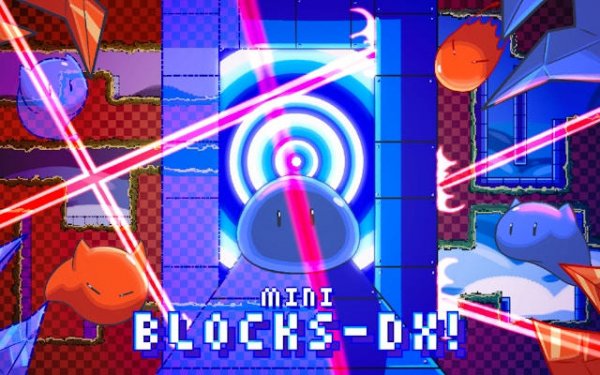
The game uses a clean, pixel-inspired aesthetic with bright colors and simple shapes. Characters and objects are easy to distinguish, which helps players quickly identify interactive elements. The backgrounds remain uncluttered, keeping focus on the puzzle itself. Animations are smooth but minimal, reinforcing the game's calm, thoughtful pace. This visual approach suits the genre well, creating an environment that feels inviting rather than overwhelming. The overall presentation supports the core gameplay without distraction.
Additional Play Modes
Beyond the standard progression, Tiny Cubes: Logic Paths includes a time-based mode for those seeking extra challenge. In this mode, players attempt to complete puzzles as quickly as possible. This adds a layer of pressure that changes the decision-making process, as efficiency becomes as important as accuracy. The mode is optional and does not affect the main experience, allowing players to choose their preferred style. It also increases replay value, encouraging multiple attempts to improve completion times.
Accessibility and Family Appeal
The controls are straightforward, requiring only basic input methods. This makes the game suitable for players of various ages and skill levels. There is no violent content, complex narrative, or competitive pressure. The focus remains on gentle problem-solving and personal satisfaction. Parents can feel confident allowing children to play independently. The short level length also makes it easy to pick up for a few minutes or enjoy longer sessions without commitment. This flexibility contributes to its broad appeal.




Comments
0 comments