
Core Movement and Music Connection
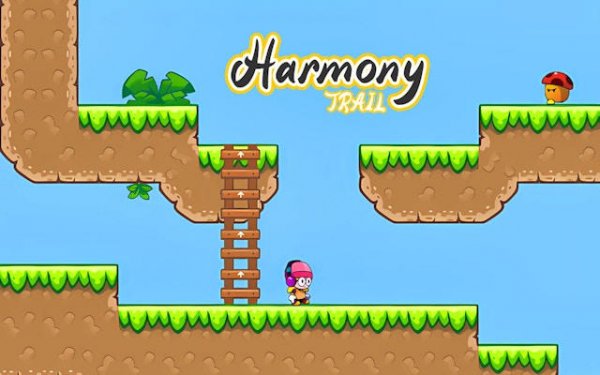
In Rhythm Runner: Beat Explorer, players control a small character through levels where the environment syncs with the background music. Bridges extend, gears rotate, and floating islands shift precisely with the beat. The controls are straightforward: a tap makes the character jump, and holding a direction triggers a slide or dash. There is no complicated combo system or strict timing requirement. Missing a beat simply resets the current section, allowing immediate retries without penalty. This design makes the experience accessible to younger players and newcomers to rhythm-based games, while still offering enough variety to keep experienced players engaged.
World Themes and Visual Design
Each world in Rhythm Runner: Beat Explorer presents a distinct visual and musical theme. The first area, a sunlit forest, features warm greens and golds with a gentle acoustic soundtrack. Later worlds shift to cooler tones—a frozen cavern with echoing chimes, a neon cityscape with electronic beats, and a twilight garden with soft strings. The art style is clean and colorful, with smooth animations that emphasize the flow of movement. Characters and obstacles are designed to be easily readable against the background, so players can quickly identify what to interact with. The visual feedback is immediate: when the character lands on a platform in time with the beat, a small burst of light or a musical note appears. This subtle reward system reinforces the connection between action and music without breaking the immersive experience. The worlds are not overly large, but each contains multiple paths and hidden areas that encourage exploration.
Audio Design and Player Interaction
The audio design is the standout feature of Rhythm Runner: Beat Explorer. Rather than playing a static track, the music evolves based on player actions. Each successful jump, slide, or collection adds a new instrument layer to the mix. For example, landing on a series of platforms in rhythm might add a drum beat, while collecting a special item introduces a melodic phrase. This creates a sense of co-creation—the player feels like they are composing the music as they progress. The base tracks are composed by independent musicians, each world featuring a different genre. The volume and complexity of the layers adjust dynamically, so the music never becomes overwhelming. Headphones are recommended for the full experience, as the spatial audio helps pinpoint the location of upcoming rhythmic elements. The soundtrack is also available separately for those who want to listen outside the game.
Progression and Rewards
As players complete levels, they earn points that can be used to unlock cosmetic items for their character. These include new outfits, color schemes, and accessories that change the character's appearance but do not affect gameplay. This system rewards dedication without creating a competitive edge. Additionally, hidden collectibles scattered throughout each world unlock bonus levels and alternative music tracks. These bonus levels often remix the main themes with different instruments or tempos, offering a fresh take on familiar environments. The game tracks personal best times and collection rates, but there is no leaderboard or online comparison. This keeps the focus on personal improvement rather than competition. For those who want a greater challenge, a 'perfect run' mode requires completing a level without any missed beats, but this is entirely optional and clearly marked as a hard mode.







Comments
0 comments