
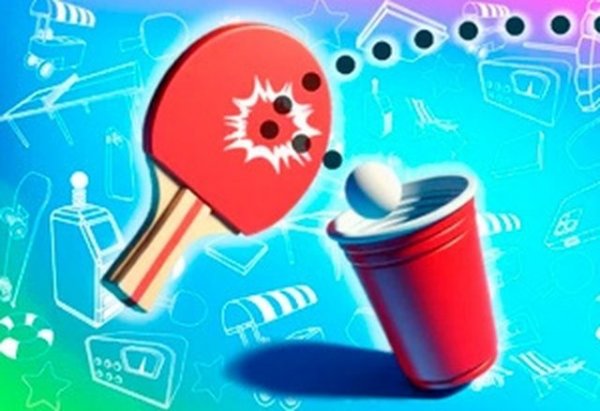
Paddle Control and Ball Physics
Each stage in Table Tennis Puzzle Challenge asks you to move a small paddle so that a table tennis ball reaches every designated target. The ball bounces off surfaces, so its path depends on where and when you make contact. Keyboard or mouse inputs move the paddle, and the game can be paused mid-round. Early layouts give you room to learn how the ball reacts before later stages introduce tighter angles and obstacles.
Reading Layouts Before You Act
Because the ball follows physics rather than a fixed path, observation matters as much as reflexes. Scanning the stage for obstacles, bonuses, and useful routes before moving the paddle reduces wasted attempts. Each failure reveals how a surface redirects the ball, so adjusting your approach on the next try is part of the intended loop. Stages change layouts and obstacles, which keeps repeated runs from feeling identical.
Progression and Session Length
Objectives become more demanding as you advance. Early stages focus on basic movement and rhythm, while later ones combine positioning, timing, and decisions about which targets to pursue first. The game runs directly in a browser on desktop or mobile, so sessions can be short or extended depending on available time. A reward structure tied to completing goals and beating personal records gives longer play a purpose.
Who This Suits
Players who enjoy calculating angles and retrying a tricky shot will find the difficulty curve approachable at the start and more demanding later. The sports theme runs through the presentation, giving each puzzle an athletic feel without requiring knowledge of real table tennis rules. If you prefer fast, reflex-only browser games, the emphasis on planning and patience may feel slower than expected.




Editorial Notes